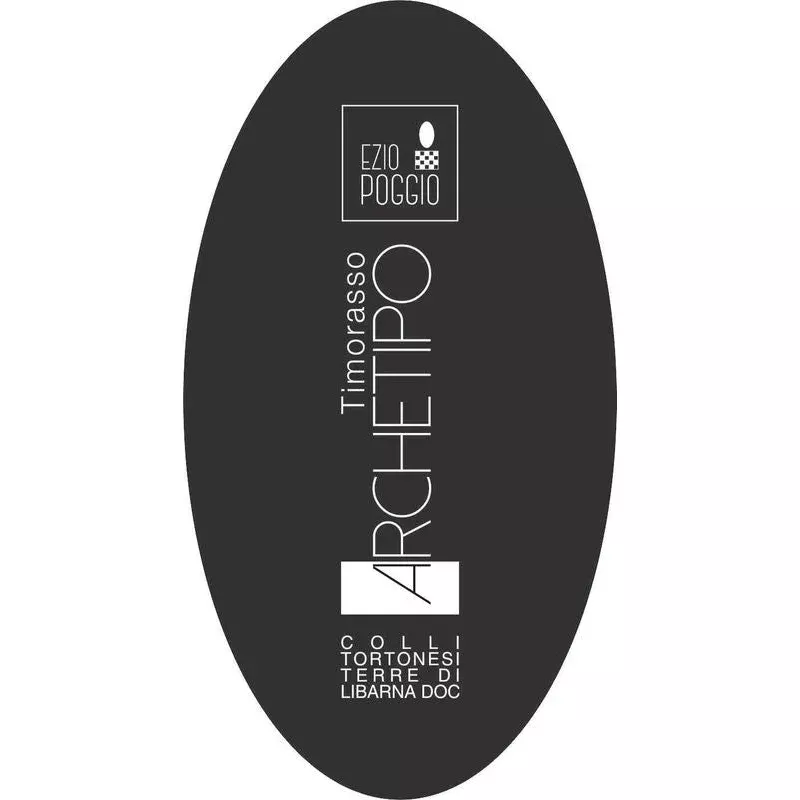
The Wine
If you’re a curious wine lover (as are most of you reading this) and have yet to taste this little-known gem from Northern Italy, please do so now, before it gets discovered.
Timorasso (teemo-RAH-so) is an ancient white grape native to the sub-region called ‘Colli Tortonesi‘ in southeastern Piedmont. The white wine grape lived an increasingly obscure existence, deep in the shadows of Piemonte’s famed red wines (Barolo, Barbaresco, Barbera, Dolcetto…) to the degree it was nearly extinct by the 1980s. Then came along a tireless advocate and innovative grower named Walter Massa (with such a big personality gas station attendants can direct lost tourists to his winery for miles around!) revived it through his meticulous replanting. Walter is now in his waning years, but the grand master has passed the baton on to a new generation of enthusiastic producers of Timorrasso.
Tasting Notes: Ripe pear, quince, and citrus peel emerge from the wine’s firm mineral core. The textural palate offers a subtle phenolic grip that gives the wine its signature structure – a lithe wine born to be paired with seafood and any dish featuring citrus flavors. And while the wine’s bright acidity is its memorable feature, it also offers more savory notes of almond, herbs, and wet stone. The finish is long, dry, and slightly saline. With age, it will gain a waxy, honeyed complexity while retaining its mineral backbone. Drink now through 2031.
The Winery
Ezio Poggio is a small estate in the Colli Tortonesi dedicated to reviving the regions historic white grape, Timorasso. They follow Walter Massa’s strategy of succeeding through a focus on quality, producing a wine intended for a discriminating global audience who has thousands of alternative options.
Founded by siblings Ezio and Mary Poggio, the winery farms steep, limestone-rich hillsides at high elevation, focusing on low yields, careful vineyard work, and minimal-intervention winemaking to showcase the grapes natural structure and mineral depth. Their wines are known for purity, tension, and ageworthy complexity, helping position Timorasso as one of Italys most compelling native varieties.