The Wine
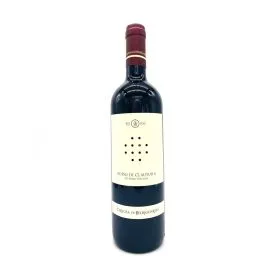
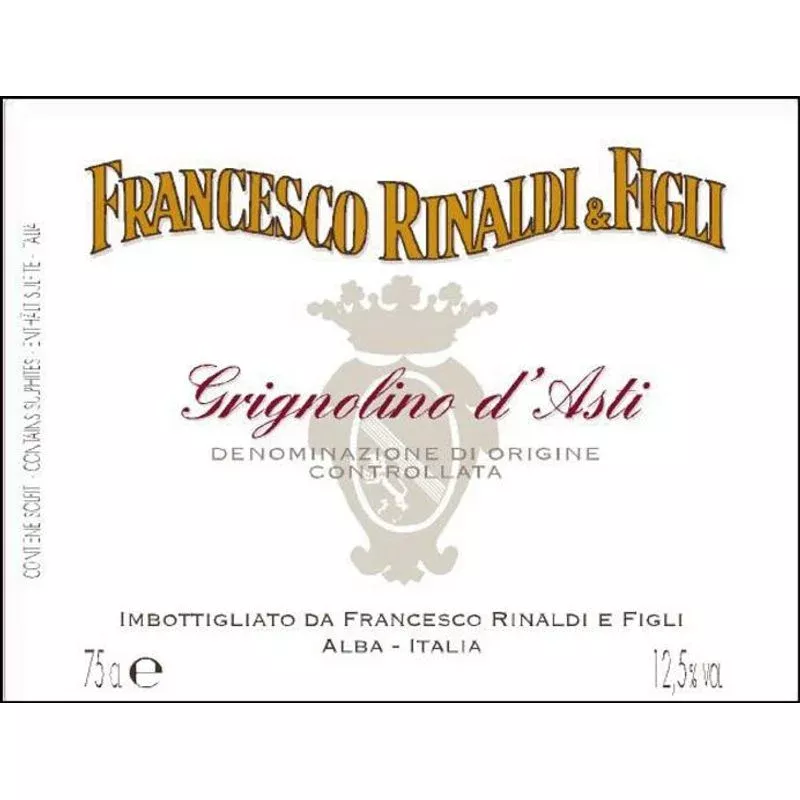
Grignolino is one of Piedmonts more eccentric native grapes light in color, high in acidity, and famously packed with seeds, which translates to a surprising tannic grip for such a pale red.
In keeping with that theme, this wine is like a featherweight boxer very light and nimble but packs a big punch on the palate. In the glass the wine is a pale ruby, almost translucent, like its daring you to underestimate it.
The nose is delicate, with enticing layers of rose petals, sour cherry, and a whisper of cinnamon. Theres a faint herbal note dried thyme or fennel pollen that adds a savory edge. The palate finesses the taster with tart red berries, rhubarb, and a touch of citrus zip. The tannins are fine and slightly grippy, a nod to the grapes famously seed-heavy nature, but it’s not overpowering. Instead, they frame the wines freshness and keep it dancing.
This is Piedmonts version of a chillable red quirky, charming, and unapologetically light. Serve it cool, in a wide glass, with antipasti, pizza, grilled trout, or a mushroom quiche. Its the kind of wine that makes you lean in, not back. I think you’re going to love this wine.
The Winery
Francesco Rinaldi & Figli is one of the most storied and traditional Barolo producers in Piedmont, Italy a true standard-bearer for classic Nebbiolo.Founded in1870 by Giovanni Battista Rinaldi, the winery sits in the heart of Barolo, with vineyards in some of the regions most prestigious crus: Cannubi, Brunate, and Rocche dellAnnunziata.
The estate has remained family-run for generations and is now led by Paola and Piera Rinaldi, with the next generation Elisa and Francesca getting ready in the wings. Both generations have embraced the contemporary winemaking trends of Piemonte – l
ong macerations and slow fermentations, a
ging in large
Slavonian oak botti (9-ft high casks)
, avoiding new oak and m
inimal intervention in the cellar so that terroir and vintage variation are allowed to shine.
Their wines are known for elegance, purity, and age-worthiness, in fact, their high-end Barolo wines often require a decade or more to reach full maturity.