The Wine
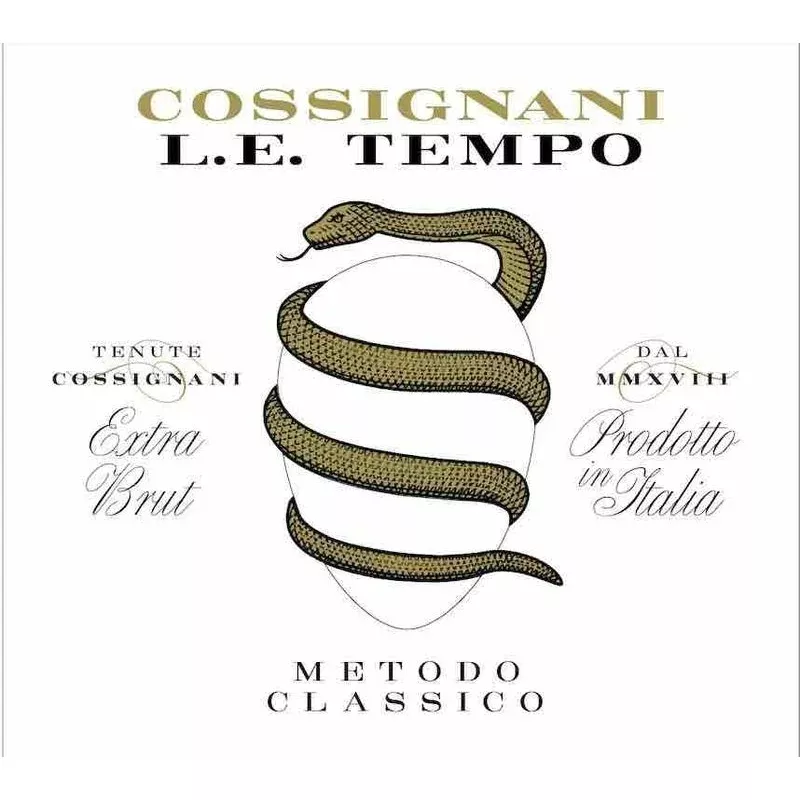
Sparkling Pecorino? We’d never heard of it either. But it shines quite brightly when crafted by the Cossignani siblings, the charming Eduardo and Letizia. This is Pecorino reimagined – linear, mineral-driven, and uncompromisingly fresh. It speaks of terroir, time (Tempo, in Italian, as shown on their labels) and patience, hallmarks of their philosophy.
Pair this wine with oysters, crudo, or delicate seafood or vegetable dishes, and it will echo the sea and soil from which it was born.
The Winery
The producer, Cossignani L.E. Tempo, is a sibling-run estate (see photos) in Val Menocchia dedicated to organic farming and meticulous Metodo Classico craftsmanship.
After leaving their childhood behind, Edoardo and Letizia Cossignani dreamed of moving back to their family’s farm in the rolling hills of the Marche to rediscover their winegrowing roots. In 2015, during a visit to Champagne, they noticed the limestone soils were similar to those of their farm situated 3 miles from the Adriatic Sea, where the maritime influence moderates the cold air coming from the Apennines.
In 2016, after working the harvest in A and in the Cotes de Blancs, they set out to make their own interpretation of Metodo Classico,using the native grapes of their land: Pecorino and Sangiovese. The next year saw the successful release of their first experimental cuvees and they gained the confidence to persist.
Edoardo, a former Italian Navy submarine pilot, a man of many talents and a self-taughtChef de Cave, isin charge of vineyard management and winemaking.
Letizia, a former lawyer and certified sommelier, runs the winery’s admin, sales and hospitality with elegance, impeccable organizational skills and a deep passion for wine.
The Cossignani siblings have a third partner in this adventure: time (tempo, as shown on their labels), a tip of their hat to the most important factor in the aging of their cuvees.
Their farming is organic, and the harvest is carried out over many days of picking and fermenting separate parcels as they reach ideal physiological ripeness. Only the first 35% of the pressed must is used and first fermentation happens with Pied de Cuve in either French or Austrian wood (barriques/tonneaux) or cement vats, depending on the characteristics of each grape and parcel. In addition, about 40% of each vintage is set aside to become Vin de Reserve for the cuvees of the following years.
Total production never exceeds 10,000 bottles (833 cases!)