The Wine
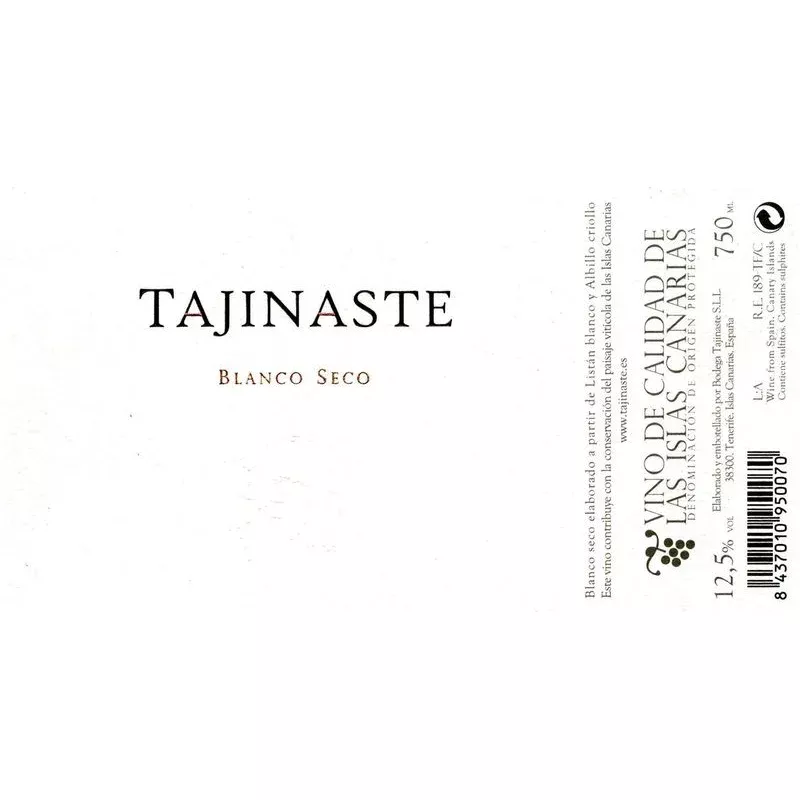
A signpost for the Spanish wines of the Canary Islands, this wine expresses the islands’ volcanic soils and winemaking traditions. Made from 100% ‘Listn Negro‘, a distinctly different grape than its relative, Listan Prieto, which is the one that is identical to the Mission Grape the Spaniards brought into Mexico and then California in the 1800s.
Tasting Notes: This wine is a volcanic gemdelicate yet expressive – a medium-bodied wine that is fresh, and savory. Aromas of cranberry, cherry, and plum, layered with volcanic minerality and savory spice. The palate is gentle and balanced, with bright acidity and subtle tannins. Look for hints of raspberry, toasted notes from American oak, and a whisper of smoke and spice.
Parings: Charcuterie, grilled meats, or even lightly spiced vegetarian dishes.
~13% ABV
The Winery
Founded in 1939, just as WWII was breaking out, on the volcanic Spanish island of Tenerife. Though the Canary islands are part of Spain, they are far closer to Northern Africa, to the point that camels are the islander’s go-to beast of burden!
One of the distinctive characteristics of Canary Island vines is that they were never affected by the Phylloxera plague that decimated most of European vineyards in the late 1800s. We have volcanic soils to thank for this, as their silica-based molecular structure is like shards of glass on the tiny bodies of the Phylloxera root louse!
The winery name comes from the tajinaste flower that is native to Tenerife. Bodegas Tajinaste is a family-run estate now in its third generation. Agustn Garca Farrais leads the winemaking, vinifying each parcel separately to highlight the nuances of altitude, soil, and vine training.
The winery farms a modest 8-acre vineyard, but don’t judge it by it’s size, the vines growing here have seen more than 110 birthdays, dating back to a 1914 planting.
Their vines are trained using the traditional cordn trenzado method (images) involving a braided vine system that extends 10 to 15 feet from the base of the vine. This method of vine training is not found outside the Canary Islands and demands that every aspect of viticulture be done by hand, as no machines can manage this level of detail.
Tajinaste has truly captured the wild beauty and tension of Canary Island winesearthy, aromatic, and unmistakably volcanic.