Alice L’Estrange is an Australian winemaker who has lived and worked in central and south America for years, first in the specialty coffee trade. While working in the natural wine trade, she fell in love with small scale agriculture with a positive socio-economic impact. After making wine in South Australia for a while, she moved to Chile, where she has worked with three farmers, converting their vineyards to regenerative farming to improve climate resilience, decrease the use of chemicals, and increase quality and yield.
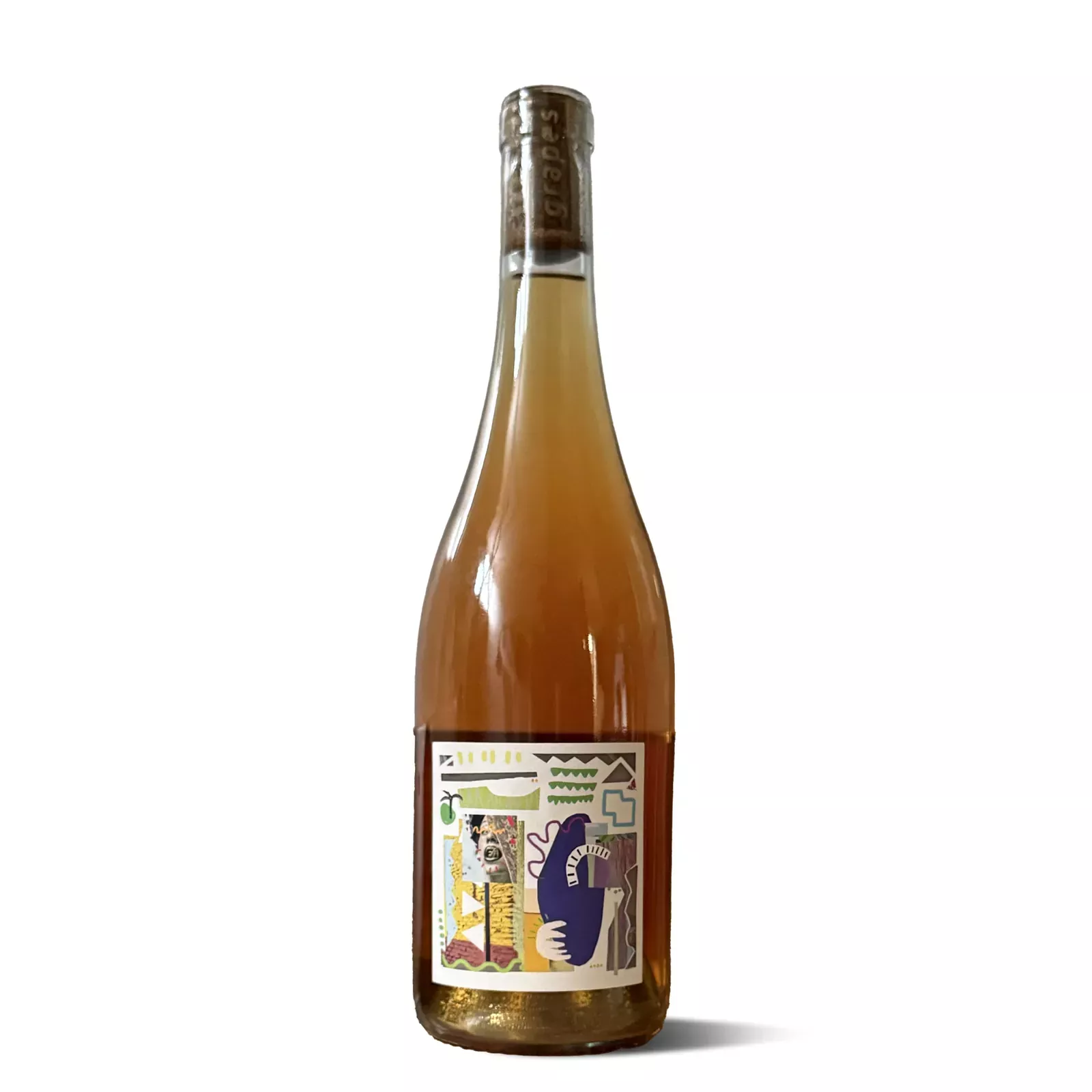
This wine is from the Los Chorillos Vineyard in Chile’s Itata Valley, farmed by Sergio Parra. It’s mostly Moscatel, with a splash of País that also grows in the vineyard of ancient bush vines. Grapes are hand-harvested and destemmed using a traditional Chilean zaranda, and then fermented on skins in tank and tinaja, large amphora-style clay vessels that encourage a veil of flor to form.
A textural and aromatic orange wine, with citrus oil, saline, ripe apricots, and soft florals. On the palate it has a gentle grip and refreshing bitterness, with a fresh, easy flowing finish.
The Itata Valley is a historic cool climate wine region in southern Chile, known for dry-grown, own-rooted bush vines often over 100 years old. Chile has been known over the last century for producing wines from French grapes, but regions south of Santiago hold a much longer viticultural history, with winemaking brought over by Spanish colonists in the 1500s.
Local grapes Pais (Spanish grape Listán Prieto) and Moscatel (Moscato of Alexandria), have adapted to the landscape over the last 500 years. Farmers work the soil, often using horses. While this isn’t in vogue in the regenerative winemaking conversation, here it’s needed to open the soil before three months of rain, and close it again to lock in moisture over the long dry season.
After years of producing bulk wine to be transported North and added to Bordeaux blends, a new wave of producers in Itata are reviving vineyards, and looking to pre-industrial winemaking techniques to make structured, elegant wines, expressive of the unique history and terroir.